Trying to compare Old Town Scottsdale condo buildings by amenities can feel like apples to oranges. You want an easy, lock-and-leave lifestyle without being surprised by rising HOA dues or underwhelming services. In this guide, you will learn which luxury amenities matter most in Old Town, how they impact monthly costs and resale, and what to check before you buy. Let’s dive in.
Why amenities matter in Old Town
Old Town is Scottsdale’s walkable core with restaurants, arts, shopping, and nightlife nearby. If you are a primary resident, seasonal owner, or investor, the right amenities can elevate daily living and protect your investment. Lock-and-leave buyers often prioritize security, convenience, and wellness, while views and outdoor spaces are especially valued in Scottsdale’s climate.
Amenities do more than shape lifestyle. They also influence HOA budgets, reserves, and resale. The best buildings balance service-level convenience with smart cost control and clear governance.
Wellness facilities that work year-round
Why buyers value wellness
Resort-style pools, well-equipped fitness centers, outdoor yoga areas, and spa rooms support an active lifestyle and reduce the need for an outside gym. In a sunny market like Scottsdale, rooftop and pool decks add daily enjoyment and social connection.
Cost and HOA impact
Wellness areas require equipment, HVAC, pool systems, cleaning, chemicals, insurance, and periodic replacements. Staffed programming or classes add recurring costs. Larger rooftop amenity decks and resort-style pool complexes often correlate with higher dues or future assessments for major repairs.
Resale considerations
Quality wellness amenities can speed up a sale and widen appeal. If dues rise to cover upkeep, price-sensitive buyers may discount the value. Focus on build quality, equipment age, and maintenance schedules.
What to look for
- Equipment condition, vendor service logs, and replacement timelines
- Pool mechanicals, shade, and surface condition on rooftop or deck areas
- Clear policies for reservations, capacity, and guest access
Valet, concierge, and doorman services
Why buyers value service
A skilled concierge enhances security, manages guests and deliveries, and solves day-to-day friction when you are away. Valet can be a game changer on dense blocks with limited self-parking.
Cost and HOA impact
Staffing is the biggest recurring expense among amenities. Wages, benefits, hours of coverage, and insurance drive monthly dues. Buildings may include the service in dues or offer an optional subscription model. Twenty-four-hour staffing typically means higher monthly costs.
Resale considerations
Full-service buildings attract buyers who want a high-touch lifestyle. However, permanently higher dues can narrow the buyer pool to those comfortable paying for that level of service.
What to ask
- Hours of coverage and defined duties for concierge and valet
- Whether costs are included in dues or billed as an optional service
- Vendor contracts, turnover, and training standards
EV readiness and charging options
What EV-ready means
In condos, EV readiness can include pre-wired stalls with conduit and adequate electrical capacity, or installed Level 2 chargers managed by the association or a third-party operator. As EV adoption grows in Arizona, convenient charging is moving from nice-to-have to expected.
Cost, governance, and HOA impact
Upfront costs may include panel upgrades, conduit, hardware, installation, metering, and billing systems. Older buildings can face higher retrofit costs. HOAs may recover expenses through per-use fees, amortized charges, or third-party partnerships. Clear policies help owners understand approvals, billing, and maintenance.
Resale considerations
Buildings that provide EV charging or enable owner-installed solutions are more marketable to EV drivers. Lack of a plan can be a barrier for some buyers.
What to verify
- Available electrical capacity and any planned upgrades
- Who manages billing and maintenance
- Association rules for common-area chargers and owner-installed equipment
Package lockers and delivery management
Why buyers value secure deliveries
Secure lockers reduce package theft and provide convenience when you are not home. This matters for second-home and lock-and-leave ownership.
Cost and HOA impact
Lockers typically require modest capital and software support compared with staffed amenities. Many associations offset costs through dues or vendor subscription models.
Resale considerations
Delivery solutions are a practical plus. They may not drive price on their own, but they increase overall convenience and perceived quality.
What to check
- Locker provider, maintenance plan, and software fees
- Carrier integrations and overflow handling during peak periods
Sound attenuation and acoustic design
Why quiet matters in a mixed-use core
In a lively district, strong inter-unit sound separation and high-performance windows matter. Buyers appreciate quiet interiors and privacy, especially for full-time living.
Cost and HOA impact
Superior acoustics result from construction features like insulated assemblies, resilient channels, and floating floors. These choices add cost at build time. Retrofits are possible but can be expensive and disruptive. Some HOAs use policies like flooring guidelines and quiet hours to reduce impact noise.
Resale considerations
Good acoustics are a differentiator in luxury marketing, while chronic noise issues can slow sales. Evaluate during showings, not after closing.
What to evaluate
- Construction details that improve STC and IIC performance
- Window quality and any known noise concerns in board minutes
- Flooring policies that limit hard-surface impact noise
Views and view corridors
Why views carry a premium
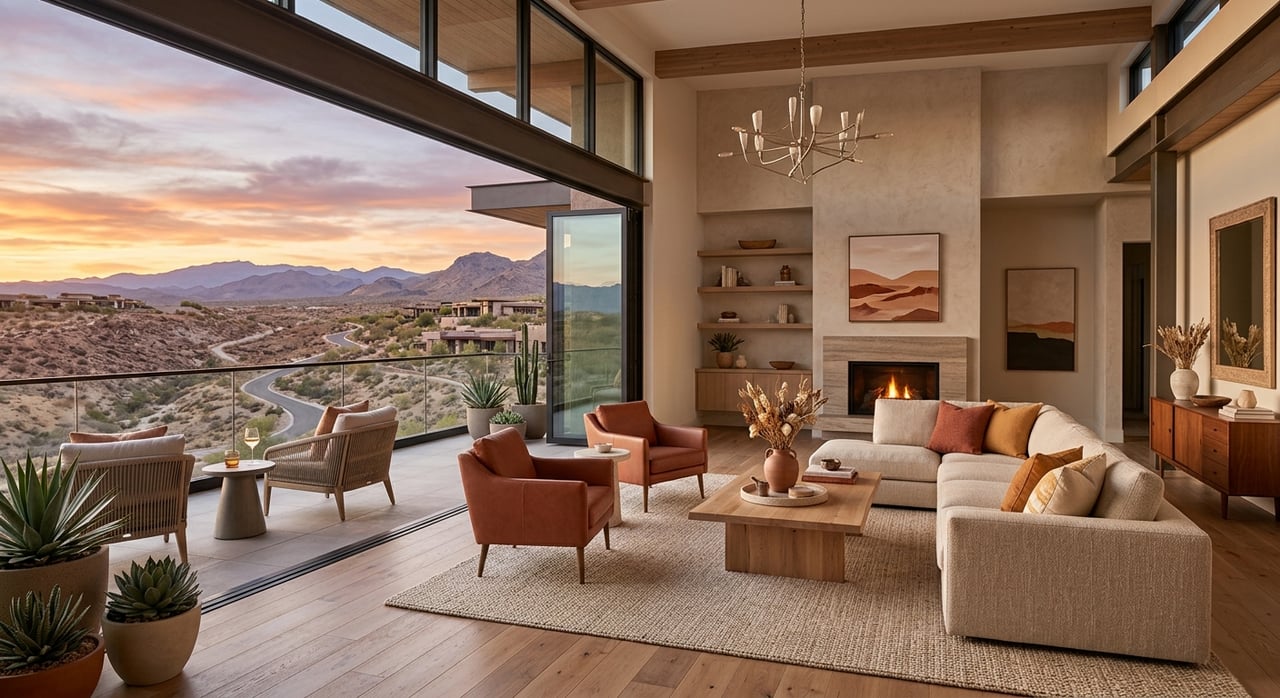
City lights, mountain vistas, and sunset exposures can influence what buyers will pay. High-quality glazing and well-finished terraces elevate the experience.
Due diligence on view risk
Views are not guaranteed. Future development can change sightlines. Review zoning context and nearby entitlements to understand potential changes. View easements are uncommon and typically require specific agreements.
Resale considerations
Protected or stable views can support stronger pricing and faster sales. If nearby parcels are likely to develop, value becomes more speculative.
What to ask
- Any known projects near the building that could alter views
- Window specification and terrace design that maximize outlooks
How amenities shape dues and resale
Amenities that reduce your effort, like concierge, secure parking, delivery management, and EV charging, improve daily life and marketability. The trade-off is cost. Staffed services and complex amenity decks drive higher monthly dues, while simpler conveniences and well-run operations can keep fees more stable.
Policies also matter. Short-term rental rules, pet policies, and renovation guidelines affect the resident mix and long-term experience. In many luxury buildings, tighter rental rules aim to preserve quiet enjoyment and predictability, which can appeal to end-users.
Bottom line: focus on how each amenity adds value for your lifestyle, then test whether the cost model and reserves support that value over time.
Buyer due diligence checklist
Financial and governance
- Current monthly HOA fee and what it covers
- Annual budget, recent actuals, and reserve study with funding plan
- Recent board minutes, delinquency rates, and any lawsuits
- Any planned capital projects or special assessments
- Insurance declarations and what the master policy covers
Amenity-specific questions
- Concierge and valet: hours, duties, staffing model, and whether costs are included or optional
- Wellness: size, equipment age, maintenance schedule, and booking policies
- EV charging: installed chargers or pre-wiring, billing method, and EV policy in the CC&Rs
- Package lockers: provider, software fees, and carrier integrations
- Sound: known issues, construction features that aid sound isolation, and flooring rules
- Views: nearby entitlements or projects that could change sightlines
Practical considerations
- Parking: deeded, assigned, or unassigned, plus guest parking policy
- Storage: unit sizes, bicycle storage, and locker availability
- Management: property manager, vendor contracts, and contract renewal dates
Documents to request
- HOA budgets and financials for the last 2 to 3 years
- Reserve study and component replacement schedule
- CC&Rs, bylaws, and rules and regulations
- Board meeting minutes for the last 6 to 12 months
- Insurance declarations and master policy summary
- Notices of recent or proposed special assessments
- Any engineering, noise, or structural reports if available
Putting it all together
Start with lifestyle fit, then verify the numbers. Identify your must-haves, like EV charging or a staffed lobby, and compare how each building funds and operates those amenities. Review budgets, reserves, and vendor contracts so you can anticipate dues stability. Finally, walk the spaces. The quality of execution and day-to-day management will tell you more than any brochure.
If you want a nuanced view of Old Town buildings, amenity trade-offs, and long-term resale, request a private consultation with David Newcombe for curated guidance and listings tailored to your goals.
FAQs
What are typical HOA dues in Old Town luxury condos?
- Dues vary widely based on staffing and amenity scope, so review each building’s current budget, reserve contributions, and contracts rather than relying on averages.
How should I evaluate EV charging in an older building?
- Confirm electrical capacity, plan for upgrades, billing method, and written EV policies in the CC&Rs to understand timing and cost impacts.
Do concierge or valet services boost resale value?
- They attract service-focused buyers and can speed sales, but higher dues may narrow the buyer pool, so impact depends on your market segment.
Are views guaranteed in Old Town Scottsdale?
- No, views are not guaranteed; check nearby zoning and entitlements and ask about any projects that could change sightlines.
Is a rooftop pool worth the higher dues?
- If you will use it often and the building funds reserves responsibly, it can be; review maintenance plans, surface condition, and reserve allocations.
How do short-term rental rules affect value?
- Tighter rules can support a more stable resident experience for end-users, while flexible rules may appeal to investors; align with your goals.
What should seasonal owners prioritize?
- Focus on security, delivery management, EV readiness if needed, and clear building policies that minimize friction when you are away.