Deciding between a high-rise tower and a low-rise condo in the Biltmore can feel like choosing between two great versions of the same lifestyle. You want walkable access to dining and retail, resort-like amenities, and a home that fits the way you live. The right choice comes down to comfort, cost, and how you plan to use your home. In this guide, you’ll see how each option stacks up in 85016 so you can move forward with clarity. Let’s dive in.
Biltmore condo living at a glance
The Biltmore area in zip code 85016 blends resort energy with established neighborhoods, golf, and a range of condo options. Centered around the Arizona Biltmore resort and Biltmore Fashion Park, the corridor offers pockets of real walkability, with many buildings close to restaurants, services, and offices. For a quick overview of the area’s mix and history, explore the Biltmore Area background.
You will find both high-rise towers and low-rise or garden-style communities here. At a zip level, recent data shows a median listing price around $575,000, though individual condo values vary widely by building, floor, and unit size. If walkability is a priority, focus your search around the Biltmore Fashion Park district and nearby corridors where everyday conveniences are close at hand. The center offers shopping and dining anchors that many residents enjoy visiting on foot. See the district’s profile at Biltmore Fashion Park.
What high-rise living offers
Typical high-rise profile
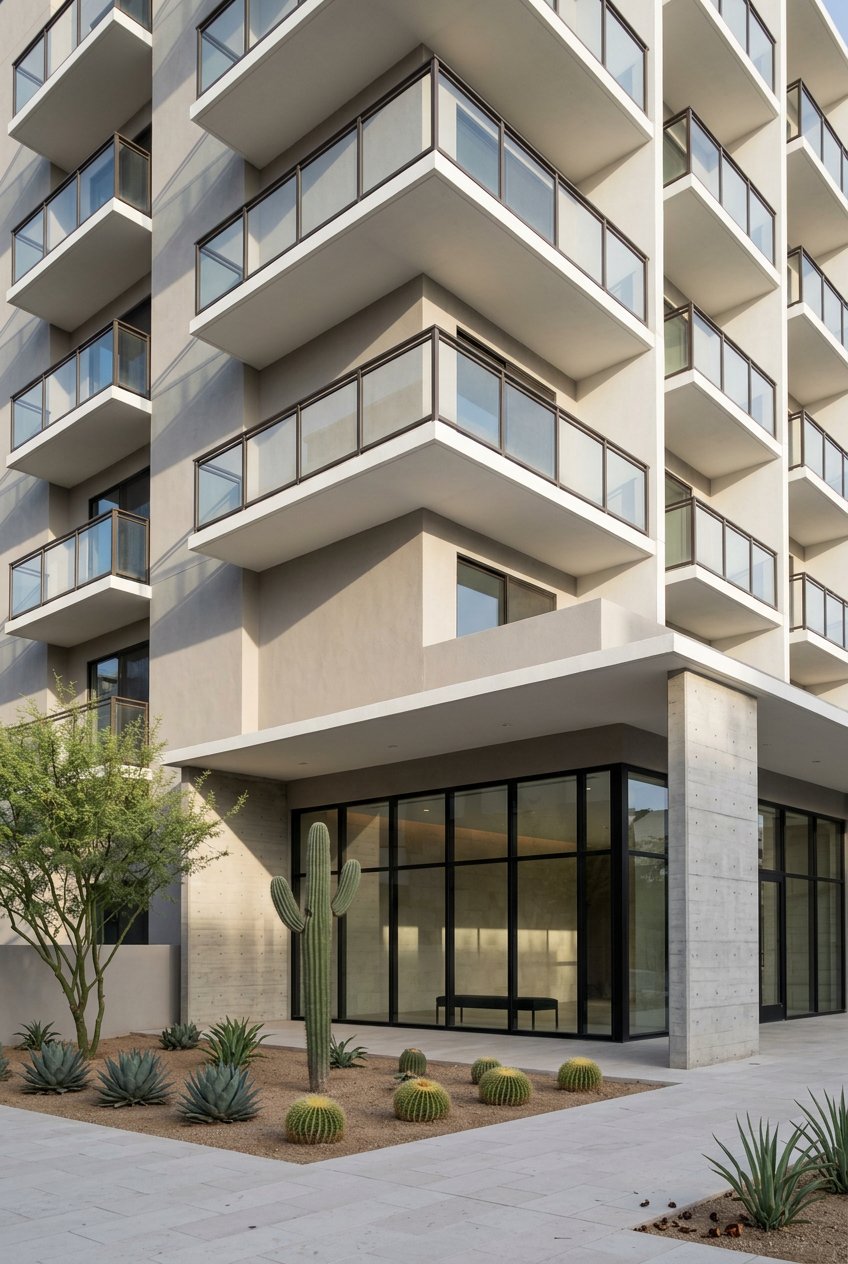
In the Biltmore, high-rise usually means 10 to 18 stories with signature architecture and floor-to-ceiling glass in many plans. Buildings such as Optima Biltmore Towers sit right in the heart of the Camelback corridor and showcase staffed entries, rooftop amenities, and secure parking. For a feel of the lifestyle and design, view the Optima Biltmore Towers project page.
Amenities and services
- 24-hour lobby or concierge presence
- Valet or attended entry and on-site management
- Rooftop or elevated pools and landscaped terraces
- Fitness centers and clubrooms for resident events
- Secure underground parking and, in select cases, dedicated storage
These services create true lock-and-leave convenience. If you travel often or prefer a turnkey routine, a high-rise is designed around that ease.
Costs and HOA dues
High-service towers carry higher monthly dues because of staffing, insurance, and amenity operations. Recent listings in certain luxury Biltmore towers have shown dues in the roughly $1,800 to $2,300 per month range on some units, with larger residences and penthouses reaching higher levels. Exact dues vary by building and what is included, so verify line items and services covered.
Who it suits
- Professionals who value proximity to the Camelback and Central Phoenix corridors
- Empty-nesters seeking a turnkey, amenity-rich base
- Second-home buyers who want security and minimal maintenance
Pros
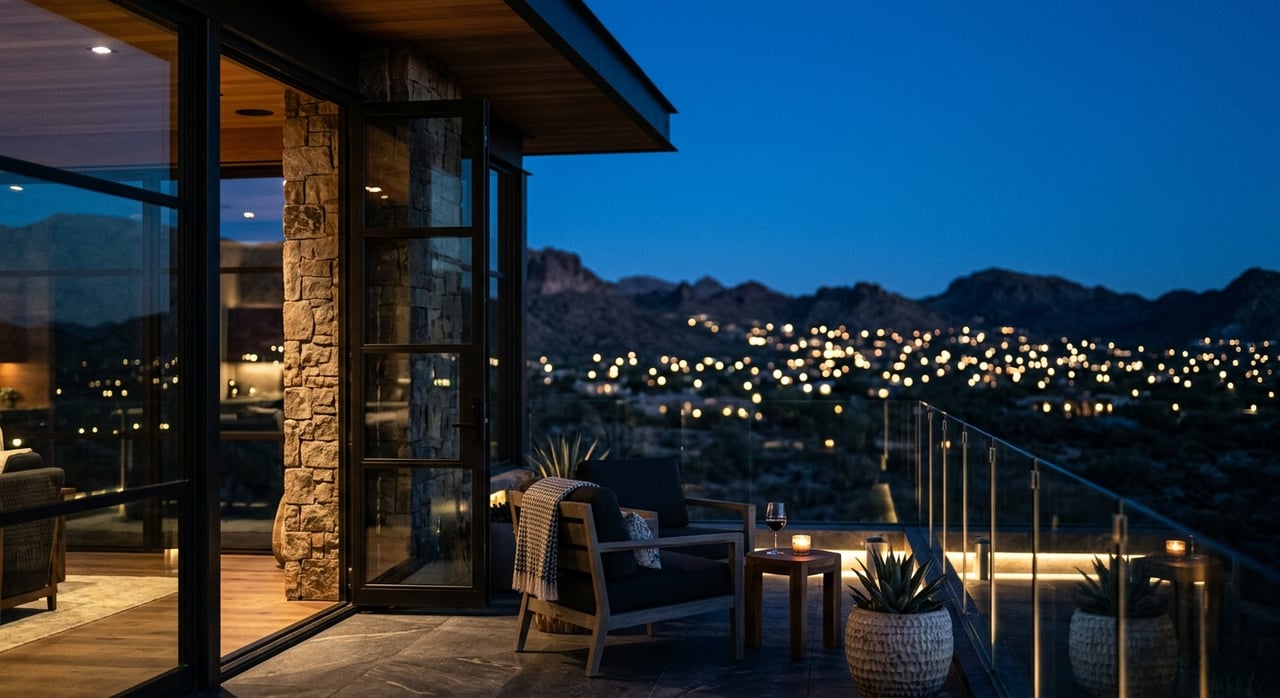
- Panoramic mountain and city views from higher floors
- Strong security and staffed services
- Lock-and-leave simplicity with robust amenities
Cons
- Higher monthly HOA dues and the potential for special assessments
- Building rules that may limit short-term rentals or renovations
- Elevator dependence and typically less private outdoor space than townhouses
- Upper floors can run warmer in summer without effective solar control and shading
What low-rise and garden-style offer
Typical low-rise profile
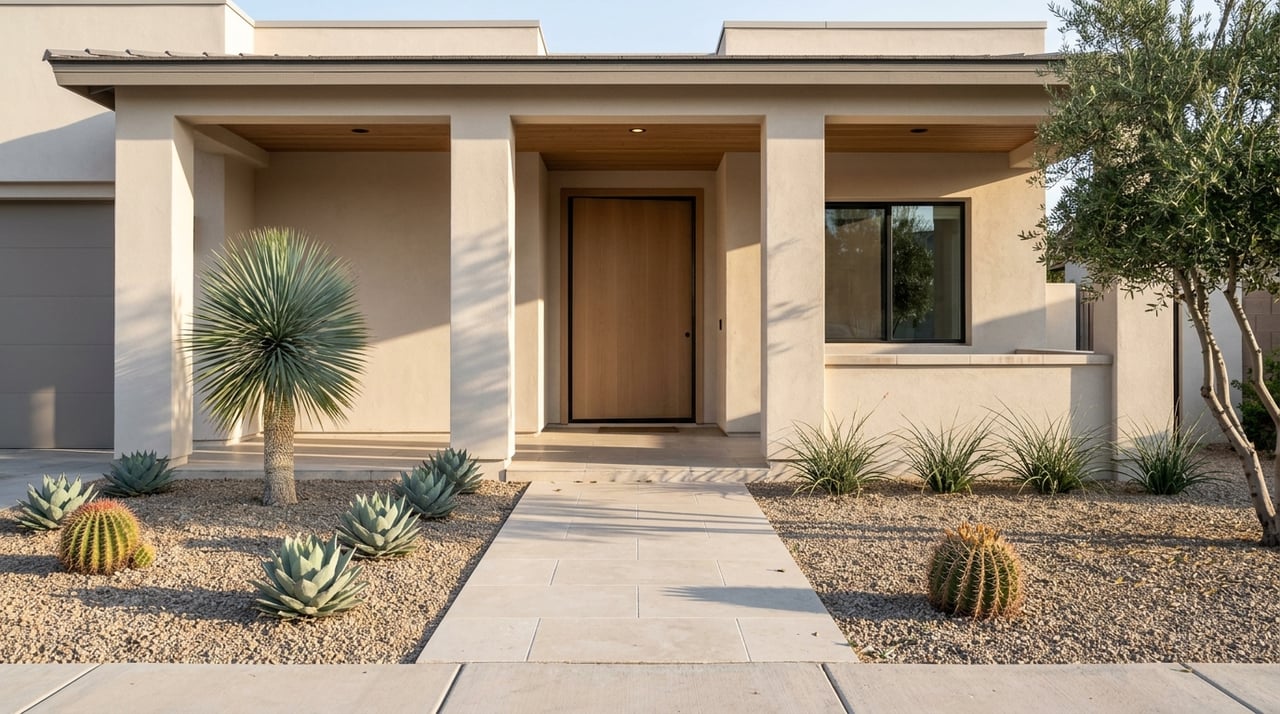
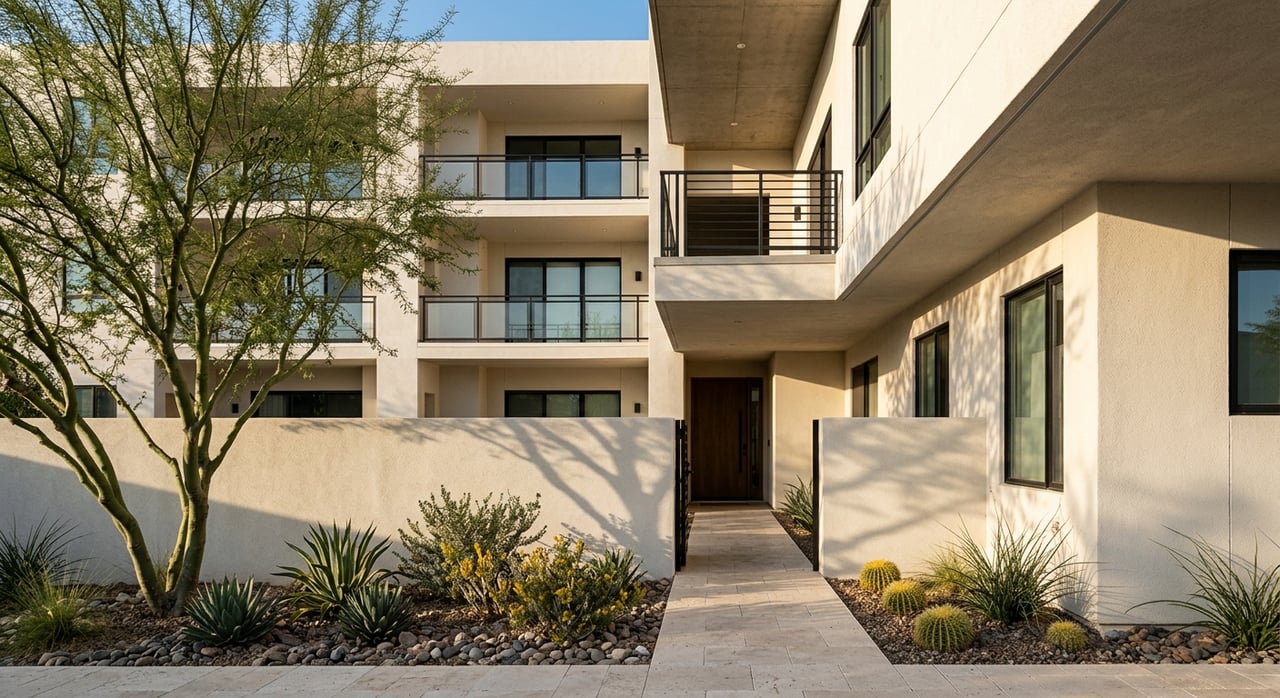
Low-rise living in the Biltmore generally means one to four stories in garden-style condos, townhouses, or small gated communities. Many date from the mid-20th century through the 1990s. You will often see compact amenity sets like a pool and spa, landscaped courtyards, and covered or assigned parking. Examples in 85016 include communities such as Biltmore Palms and Biltmore Gardens, along with gated townhome enclaves near the golf courses.
Amenities and HOA patterns
- On-site pool and spa, small clubhouse or community room
- Gated entries in many complexes, with simpler service footprints
- Assigned or covered parking and landscaped grounds
Monthly dues are often lower than full-service towers due to fewer staffing and operational costs. Recent examples in similar Biltmore low-rise communities have shown dues in the low-to-mid hundreds per month, with many ranging roughly from about $290 to $390 on certain units. Always confirm what is included and review the association’s financials.
Who it suits
- Buyers who want lower monthly costs and simpler shared amenities
- Those who prefer ground-level access or private outdoor patios
- Residents who value a townhouse feel and less elevator traffic
Pros
- Often lower monthly dues than high-rise buildings
- Easier in-and-out access and more private outdoor space in some plans
- Less elevator reliance and simpler layouts
Cons
- Fewer built-in services like concierge or valet
- Older building systems may require capital projects, so reserves matter
- Views are more garden, street, or golf course than wide downtown or mountain panoramas
Which is right for you?
Quick-match checklist
- I want skyline and mountain views with full services. Choose a high-rise like Optima Biltmore Towers.
- I prefer lower dues and a private patio. Consider a garden-style or townhouse community in 85016.
- I travel often and need effortless lock-and-leave. Full-service towers with concierge staffing fit best.
- I prize walkability to dining and retail. Focus near Biltmore Fashion Park and adjacent corridors.
- I’m budget-focused month to month. Low-rise communities often reduce dues but confirm reserves and upcoming projects.
- I plan to have pets or explore rentals. Check each HOA’s CC&Rs for pet limits, rental rules, and owner-occupancy minimums.
Cost and resale considerations
Think in total cost terms. High-rise dues shift many services and insurance into one monthly line, which buys convenience and predictability. Low-rise dues are often lighter, but older communities can face periodic roof, pool, or mechanical projects that require healthy reserves or special assessments. In both cases, resale value in 85016 varies by building, floor, exposure, and interior finish. Recent comps within the same building will be your best guide.
If climate comfort is top of mind, compare glazing, shading, and HVAC capacity, especially for high floors with strong sun exposure. Phoenix summers reward good solar control and efficient cooling. For background on regional heat patterns, review this NOAA overview on temperature fundamentals at Climate.gov.
Your due-diligence checklist
Request these items before you write an offer and review them closely:
- Governing documents: CC&Rs, bylaws, and rules with any amendments
- Current budget and a line-item list of what dues include (utilities, insurance, staffing, cable/Internet)
- Reserve study and recent financials to gauge long-term funding
- Recent board meeting minutes and notices of major projects
- Insurance specifics: what the master policy covers vs. what you must insure
- Parking and storage allocations, plus EV charging availability
- Elevator and mechanical service records in taller buildings
- Climate and noise considerations, including window shading and HVAC capacity
- On-site staffing and hours for concierge, valet, and management
- Comparable recent sales within the building and across 85016
Pro tip: a low monthly fee with weak reserves can be a red flag. Strong reserves, documented maintenance, and transparent budgets typically support smoother ownership.
Biltmore micro-locations to know
- Near Biltmore Fashion Park: pockets of walkability, dining, and retail at your doorstep
- Along the Camelback corridor: easy access to offices and central Phoenix destinations
- Golf-course enclaves: a quieter residential feel with select gated townhome and condo options
Match these micro-locations to your daily routine. If you want morning coffee and errands on foot, concentrate near the shopping core. If you split time between home and travel, prioritize full-service towers with attentive staffing.
Next steps
Whether you lean high-rise for the views and services or low-rise for simpler costs and ground-level ease, the best move is a guided building comparison. We can line up floor-by-floor comps, HOA documents, staffing details, and vendor histories so you can choose with precision. For discreet, concierge-level guidance on Biltmore condos and townhomes, connect with David Newcombe for a private consultation or curated listings.
FAQs
What is the difference between high-rise and low-rise in 85016?
- High-rise typically means 10 to 18 stories with staffed services and rooftop amenities, while low-rise covers one to four stories with simpler amenities such as a pool, courtyards, and covered parking.
How much are typical HOA dues in Biltmore condos?
- High-service towers often range into the mid-to-high hundreds or low thousands per month depending on size and inclusions, while many low-rise communities show dues in the low-to-mid hundreds; always verify current budgets and what is included.
Are Biltmore condos walkable to dining and shopping?
- Many buildings sit within short walking distance of Biltmore Fashion Park and nearby restaurants, though walkability varies by block, so evaluate each building’s exact location.
Do high floors cost more to cool in Phoenix summers?
- Upper floors can run warmer without proper glazing and shading; compare window exposure, solar control, and HVAC tonnage when evaluating high-rise units.
What documents should I review before buying a condo?
- Start with CC&Rs, rules, the current budget and reserve study, recent board minutes, and insurance details, then confirm parking, storage, elevator records, and comparable sales for context.