Ever wish you could close the door, head to the airport, and know your home will be handled while you’re gone? In Old Town Scottsdale, that peace of mind is not only possible, it’s popular. Whether you travel for work, split time seasonally, or simply value low‑maintenance living, you have strong options here. In this guide, you’ll learn what “lock‑and‑leave” really means in Old Town, which property types fit the lifestyle, what to verify before you buy, and how to budget and plan with confidence. Let’s dive in.
Why Old Town fits lock‑and‑leave
Old Town is one of Scottsdale’s most walkable areas, with dining, galleries, museums, and nightlife all within a compact grid. Explore local favorites and cultural highlights that keep your social life close to home through the city’s visitor resources like Old Town guides and favorites.
You also have easy local transit. Scottsdale operates a free trolley with routes that connect Old Town to key districts and regional transit, reducing day‑to‑day car needs. Check the Scottsdale trolley for maps and schedules.
Recent snapshot reports often show median listing prices in Old Town roughly in the mid‑$600Ks to around $700K, with condo prices varying widely by building and finish level. Always verify current figures with live MLS data before making decisions.
Property types that work
Condos and mid‑rises
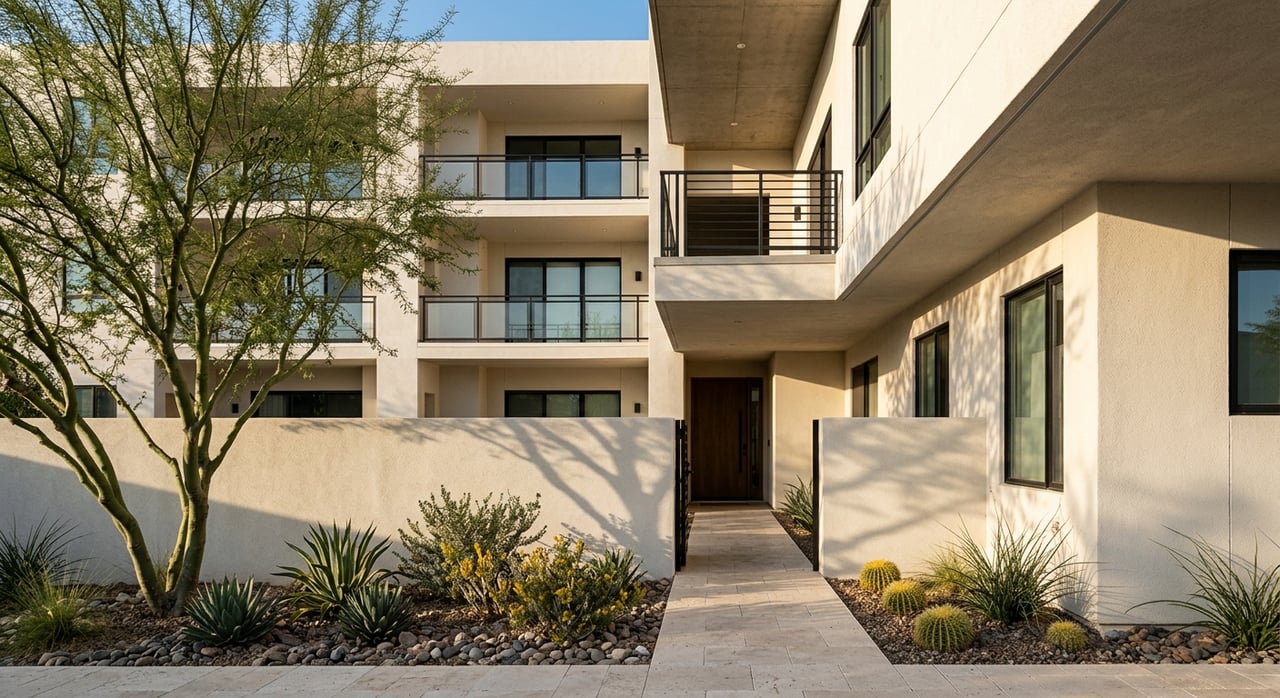
Condominiums are the most common lock‑and‑leave option in Old Town. You’ll often find secure entries, covered parking, shared pools, landscaping, and building services that reduce exterior upkeep. Many buildings also bundle some utilities into monthly dues.
Townhomes with HOA
Attached homes can deliver a similar experience when the HOA covers exterior maintenance and common areas. Review the HOA’s scope of services so you know exactly what is included.
Gated single‑family with services
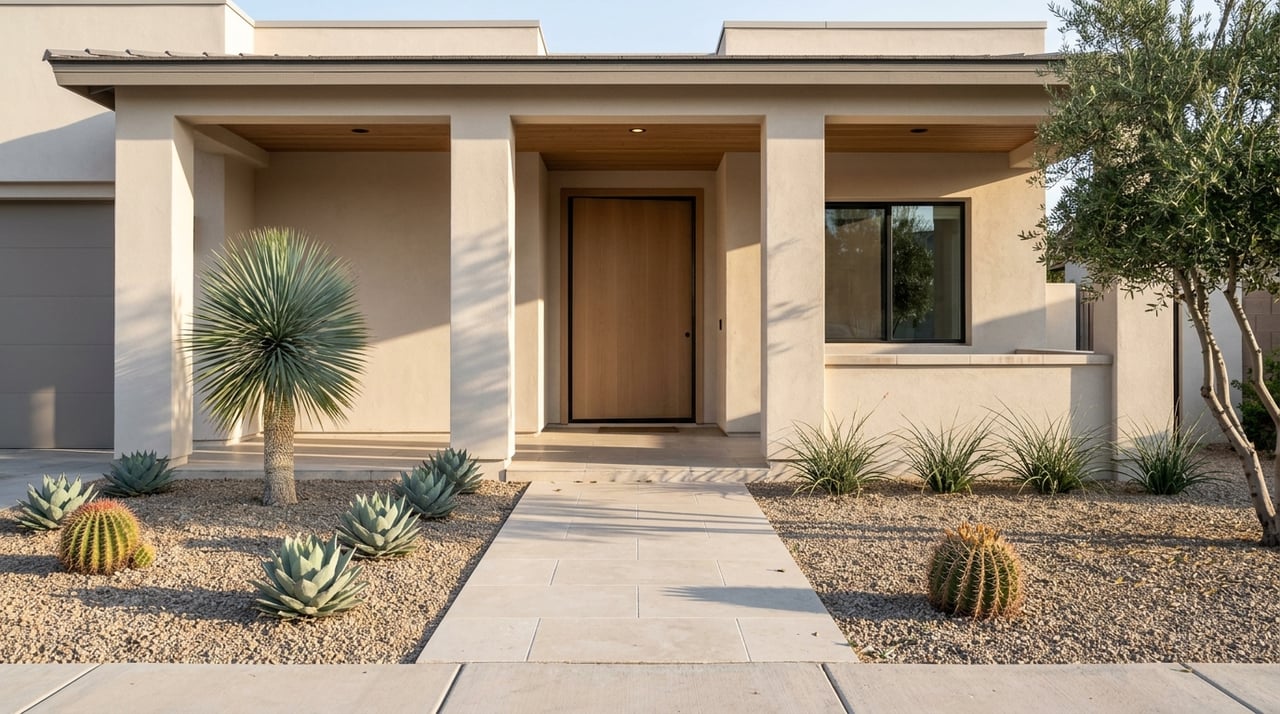
Select gated or resort‑style communities offer landscaping packages or on‑call maintenance. These can function like lock‑and‑leave homes, though costs may be higher and services vary by community.
What to verify before you buy
Association documents and reserves
Request and read the CC&Rs, bylaws, budget, reserve study, and meeting minutes. Arizona law provides resale disclosure requirements for associations, which helps you understand fees, rules, and any pending changes. See the state’s planned community disclosures for context at Arizona Revised Statutes 33‑1806.
Monthly fees and coverage
Dues vary by building and amenity package. Many low‑rise condos land in the low‑to‑mid hundreds per month, while amenity‑heavy buildings can be higher. Confirm what your fees include, ask about any special assessments, and review the reserve funding plan.
Security, access, and management
Look for gated entries, secure garages, cameras, and clear emergency procedures. Ask how the building handles after‑hours issues and whether there is on‑site or contracted property management for leaks, HVAC failures, or other urgent needs.
Utilities and metering
Determine if water or other utilities are master‑metered and included in dues. If individually billed, review current rates and seasonal schedules. The city posts water rates and fees that can help you budget.
Insurance and risk
Clarify what the association’s master policy covers and where your HO‑6 (condo) policy begins. If a specific address falls in a FEMA flood zone, lenders may require flood insurance. Review Scottsdale’s FEMA and flood resources as part of your due diligence.
Rules and rental licensing to know
If you plan to rent your home when you travel, you must follow city and state rules for short‑term rentals. Scottsdale requires an annual city license, neighbor notification, and proof of liability insurance, among other safety standards. HOAs can be stricter and may limit or prohibit short‑term rentals. Review the city’s vacation and short‑term rental guidelines and your HOA’s CC&Rs before moving forward.
Scottsdale also enforces nuisance and unlawful gathering rules. If you rent out your place, make sure your guests understand the standards to avoid fines or violations.
Scottsdale climate and home care
Summer heat in the Phoenix‑Scottsdale area is intense, with many days over 100°F. Reliable HVAC, smart thermostats, and periodic check‑ins are essential, especially for long absences. For climate background, see ASU’s overview of the climate of Phoenix.
Monsoon season can bring dust, lightning, and localized heavy rain. Before you travel, confirm that door seals, drainage, and window screens are in good condition, and arrange for someone to look in on the property after major storms.
Budgeting smartly
- HOA and condo fees: Expect a wide range based on amenities and building services. Verify inclusions and assessment history.
- Insurance: Condo owner policies vary by coverage level. If a property lies in a mapped flood risk area, add flood insurance to your budget.
- Utilities: Summer electricity bills can spike with AC use. Depending on the address, electric service may be provided by APS or SRP. Water use and irrigation costs are guided by the city’s water rates.
- Taxes: Property taxes are billed separately from HOA dues. Review the city’s information on Scottsdale taxes to understand the basics and how they are calculated.
Lock‑and‑leave checklist
- Read the CC&Rs, bylaws, budget, and reserve study carefully.
- Confirm exactly what your monthly dues cover and any upcoming assessments.
- Verify short‑term rental permissions with both the city and your HOA.
- Set up HVAC service, a smart thermostat, and leak or smoke sensors.
- Designate a local emergency contact or professional property manager.
- Update your HO‑6 policy and review the association’s master policy.
- Enroll utilities in autopay and set alerts for unusual usage.
- Make a storm and heat plan for summer and monsoon season.
- Prepare an emergency binder with contacts, vendors, and building procedures.
Buying or selling strategy
If you are buying, focus on buildings with strong reserves, transparent management, and the security features you value. If you are selling, highlight the lifestyle: walkability, amenity convenience, and the ease of ownership that attracts lock‑and‑leave buyers.
You deserve an advisor who knows Old Town’s buildings inside and out and can navigate HOA details with ease. For a discreet, concierge‑level experience tailored to your goals, connect with David Newcombe.
FAQs
What does “lock‑and‑leave” mean in Old Town Scottsdale?
- It is a low‑maintenance setup, usually a condo or HOA‑managed home, that lets you travel with confidence because exterior upkeep, common areas, and security are largely handled by the community.
Are Old Town condos walkable and near transit?
- Yes, Old Town concentrates dining, galleries, and museums within a compact area, and the city runs a free Scottsdale trolley for easy, local connections.
Can I rent my Old Town condo short‑term when I travel?
- Scottsdale allows licensed short‑term rentals with requirements like insurance and neighbor notification, but many HOAs restrict them, so verify both city rules and CC&Rs using the city’s STR guidance.
How does Scottsdale’s heat affect a lock‑and‑leave home?
- High summer temperatures make reliable HVAC and remote monitoring essential; review ASU’s climate of Phoenix and plan for periodic property checks.
What do HOA dues typically cover in Old Town condos?
- Coverage varies, but many include common area maintenance, landscaping, pools, building exterior, and sometimes certain utilities or a portion of insurance; confirm details in the HOA budget and documents.
Do I need flood insurance in Scottsdale for a condo?
- It depends on the specific address and FEMA flood maps; check Scottsdale’s FEMA and flood resources and follow any lender requirements.