Wondering why so many Paradise Valley estates include a casita or guest house? In a town known for large lots, privacy, and custom homes, these secondary spaces often do far more than add square footage. If you are buying, selling, or planning around a Paradise Valley property, understanding how guest accommodations fit the town’s rules and estate character can help you make smarter decisions. Let’s dive in.
Why Casitas Fit Paradise Valley
Paradise Valley has a housing pattern that is very different from denser suburban markets. The town’s general plan describes it as a low-density, semi-rural residential community with a minimum lot size of at least one acre. It also notes limited opportunities for additional housing, density, and building height.
That context matters. In a market where estate homes sit on large parcels and the town is focused on preserving residential character, flexible secondary spaces become especially useful. Rather than adding density, a casita or guest house often supports the way a larger property functions.
The local housing profile reinforces that point. Paradise Valley has a population of 12,658, an owner-occupied housing rate of 95.0%, a median household income of $247,159, and a median owner-occupied home value above $2,000,000. In other words, guest accommodations are typically part of a high-value primary residence, not a stand-alone housing strategy.
What Paradise Valley Allows
If you are comparing properties, it helps to know how the town frames these spaces. Paradise Valley defines a guest house as an accessory building designed for occupancy by not more than one family, and it must have its own sanitary facilities. The key word is accessory.
That means the guest house is legally treated as a subordinate structure to the main residence, not a second principal home. This is one of the most important points for buyers and sellers, because it shapes how the space can be used, marketed, and valued.
Accessory Structure Limits
Paradise Valley places clear limits on accessory structures. The zoning ordinance states that accessory buildings and structures may not occupy more than one-half of the total ground area of the main building.
There are also use restrictions that catch many buyers by surprise. An accessory building on residential property may not be leased, subleased, or rented separately from the main building. The code also says rental must be for less than a contiguous 30-day period.
Setbacks Influence Design
Several single-family residential districts in Paradise Valley allow accessory uses such as a guesthouse, residential staff quarters, and home occupations. In those districts, unattached accessory buildings generally must be located at least 60 feet from the front lot line.
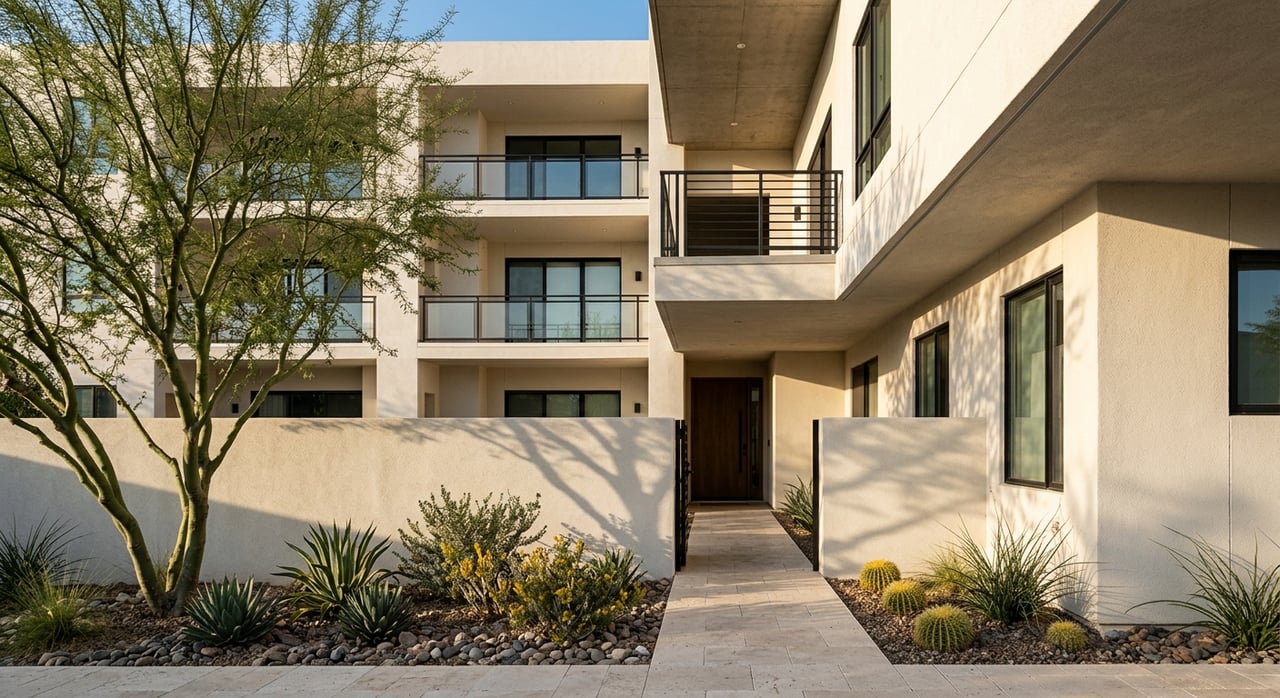
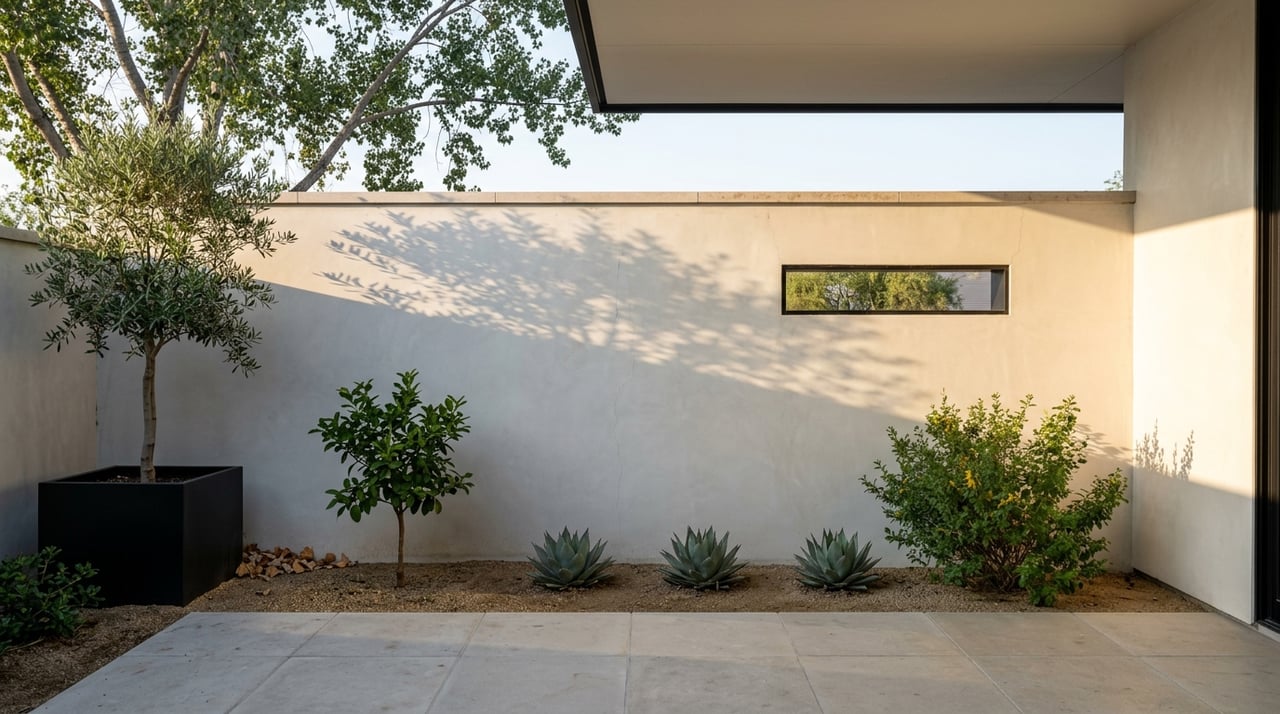
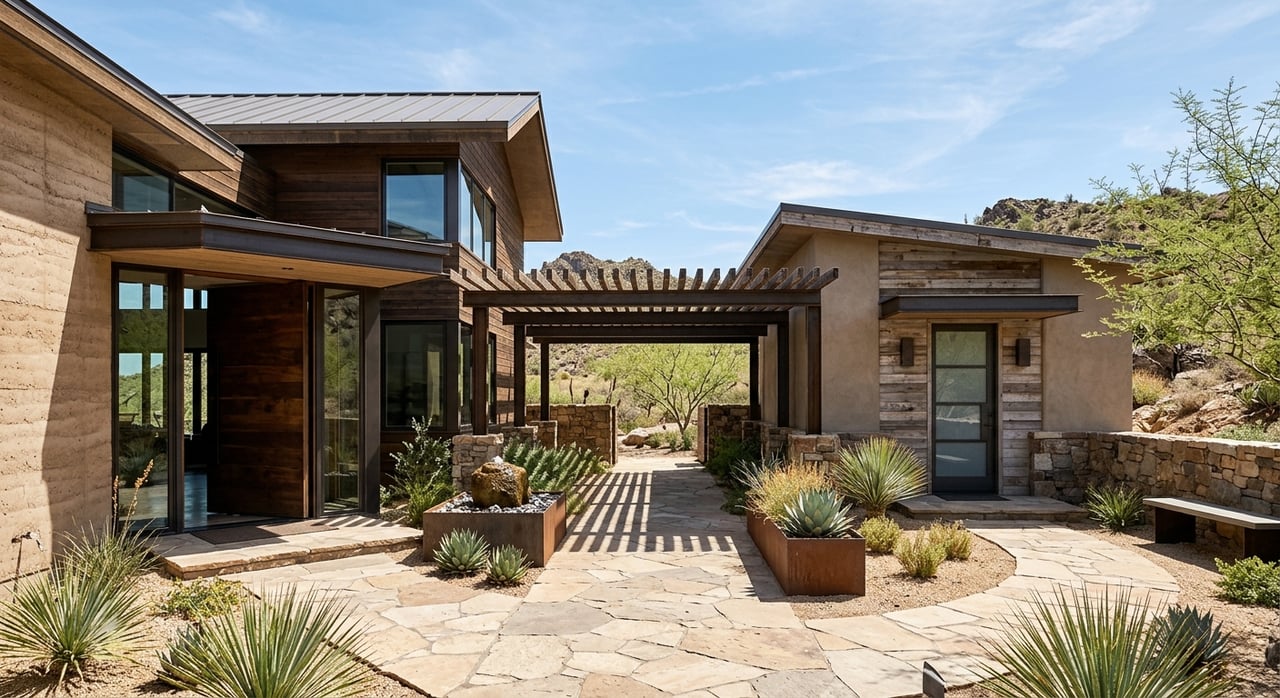
That requirement helps explain why detached guest spaces in Paradise Valley often feel tucked away and private. It also contributes to the visual rhythm of estate properties, where guest quarters tend to sit comfortably within the larger site plan rather than dominating the street view.
How These Spaces Function in Estates
In Paradise Valley, the strongest value of a casita is usually flexibility. These spaces often support multigenerational living, long-term guests, live-in staff, or a private office setup. Those use cases align with the town’s residential zoning framework, which explicitly allows guesthouses, staff quarters, and home occupations in certain districts.
For many buyers, that flexibility matters more than income potential. A detached guest house can create welcome separation for visiting family, extended stays, or work needs while still feeling integrated into the estate.
This is especially relevant in a market centered on custom homes and long-term ownership. Because Paradise Valley is overwhelmingly owner-occupied, a well-planned guest structure is often seen as an amenity that supports lifestyle, privacy, and daily function.
Rental Rules Buyers Should Know
If you are hoping a casita could function like a separate rental unit, Paradise Valley’s rules are more restrictive than many expect. According to the town’s FAQ, whether a property is rented short-term or long-term, the entire property must be rented as a whole.
That means accessory buildings may not be leased separately from the main home. So while a casita can absolutely enhance the usefulness of an estate, the town does not treat it as an independent income property.
There is one more layer to keep in mind. HOA CC&Rs may place additional restrictions or requirements, even where broader state law affects short-term rental regulation. For that reason, buyers should review both town rules and any applicable HOA documents before making assumptions about use.
Design Matters More Than You Think
A casita tends to add the most appeal when it feels like a natural extension of the estate. Paradise Valley’s general plan emphasizes preserving the town’s residential character and encouraging construction that fits established design traditions and the environmental setting.
That does not mean every home must look the same. It does suggest that guest accommodations often perform best, both visually and in the market, when they match the main residence in materials, scale, and landscape treatment.
Privacy and Placement
The town’s setback standards, open-space controls, and height considerations all shape placement. On hillside parcels, height and site review can add another level of scrutiny.
For buyers, this means a guest house is not just a bonus structure. Its position on the lot, relationship to the main home, and compliance with site rules all affect how useful and comfortable it will feel in practice.
Estate Cohesion and Resale
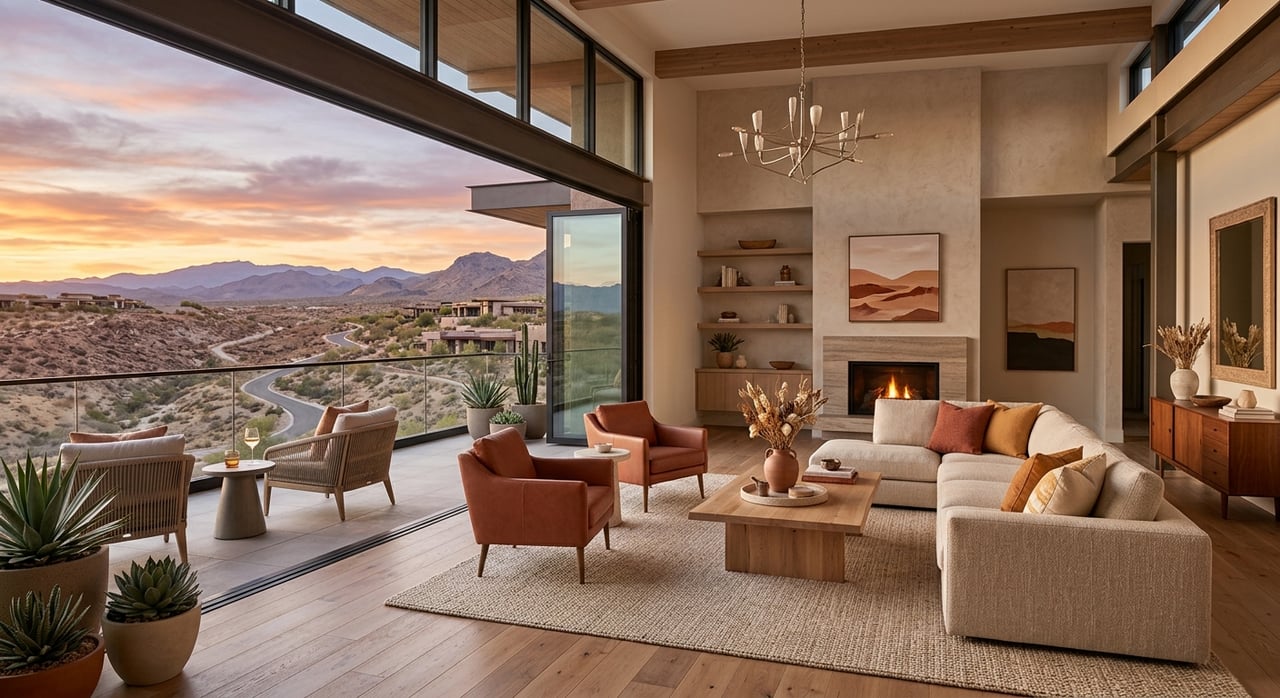
In a luxury market, details matter. A guest house that reads as part of a cohesive estate plan often feels more intentional and more marketable than one that appears improvised.
For resale, buyers often respond well to legal clarity and functional flexibility. A well-documented guest house can broaden appeal for households that want space for visitors, staff, or work separation. On the other hand, permit issues or marketing that implies separate rental use can create hesitation.
Due Diligence Before You Buy or Build
When a property includes a casita or guest house, due diligence matters. Paradise Valley’s Building Department reviews plans, issues permits, and inspects construction, and the town requires permit plans and the stamped permit to be on site.
The town also states that the building permit application is used for fixed-location structures including a guest house, and it requires a separate application for each type of structure. Depending on the project, submittals may also require HOA acknowledgement and sewer or septic verification.
Check Permits Carefully
If you are buying an estate with a guest house, confirm that the structure was properly permitted and approved. That includes verifying its use, footprint, and any plumbing or sanitary features.
This step can protect you from surprises later. In a market at this price point, incomplete paperwork or unclear improvements can slow a transaction and raise questions during resale.
Septic and Utility Capacity Matter
Paradise Valley has multiple water and sewer providers, and many properties are connected to septic rather than sewer. That makes utility due diligence especially important when a guest house includes a bathroom or other added plumbing.
A casita may look turnkey, but utility capacity and septic status still need to support the way the space is intended to function. This is one of those behind-the-scenes details that can have a real impact on usability and cost.
Parcel-Specific Answers Are Important
Paradise Valley also posts official written zoning interpretations, including guest-house-related topics such as cluster plan guest houses. That is a helpful reminder that final answers often depend on the specific parcel and current town interpretation.
Two estates may look similar on paper but differ in what is allowed due to zoning context, site conditions, or prior approvals. For buyers and sellers alike, that makes property-specific review essential.
What This Means for Buyers and Sellers
If you are buying in Paradise Valley, a casita can be one of the most practical features in an estate home. It can support privacy, flexibility, and everyday ease in a way that aligns well with the town’s low-density residential character.
If you are selling, the value of that space usually comes down to three things: legal compliance, functional use, and design integration. Buyers tend to respond best when the guest house is clearly permitted, thoughtfully placed, and presented as part of the overall estate experience.
In a market as nuanced as Paradise Valley, guest accommodations are not just an extra. They often help define how a property lives, how it is perceived, and how confidently a buyer can move forward. If you would like discreet guidance on evaluating or positioning a Paradise Valley estate, connect with David Newcombe.
FAQs
What is a guest house in Paradise Valley?
- In Paradise Valley, a guest house is an accessory building designed for occupancy by not more than one family and must have its own sanitary facilities.
Can a Paradise Valley casita be rented separately?
- No. The town states that accessory buildings may not be leased separately from the main home, and the property must be rented as a whole.
How do setbacks affect a Paradise Valley guest house?
- In several residential districts, unattached accessory buildings generally must be at least 60 feet from the front lot line, which affects placement and privacy.
Do Paradise Valley guest houses need permits?
- Yes. The town’s Building Department requires permit applications for fixed-location structures including guest houses, with a separate application for each type of structure.
Can septic or sewer service affect a casita plan in Paradise Valley?
- Yes. Many Paradise Valley properties use septic rather than sewer, so plumbing additions and intended use should be reviewed against utility and septic conditions.