Looking for a private golf community where you can play a different course almost every day of the week? If you are weighing a second home or retirement base in North Scottsdale, Desert Mountain deserves a close look. Sorting tiers, villages, and rules can be confusing, but a little clarity goes a long way. In this guide, you will learn how memberships work, which villages fit different lifestyles, what rules and costs to factor in, and how Desert Mountain compares to nearby clubs. Let’s dive in.
Why Desert Mountain stands out
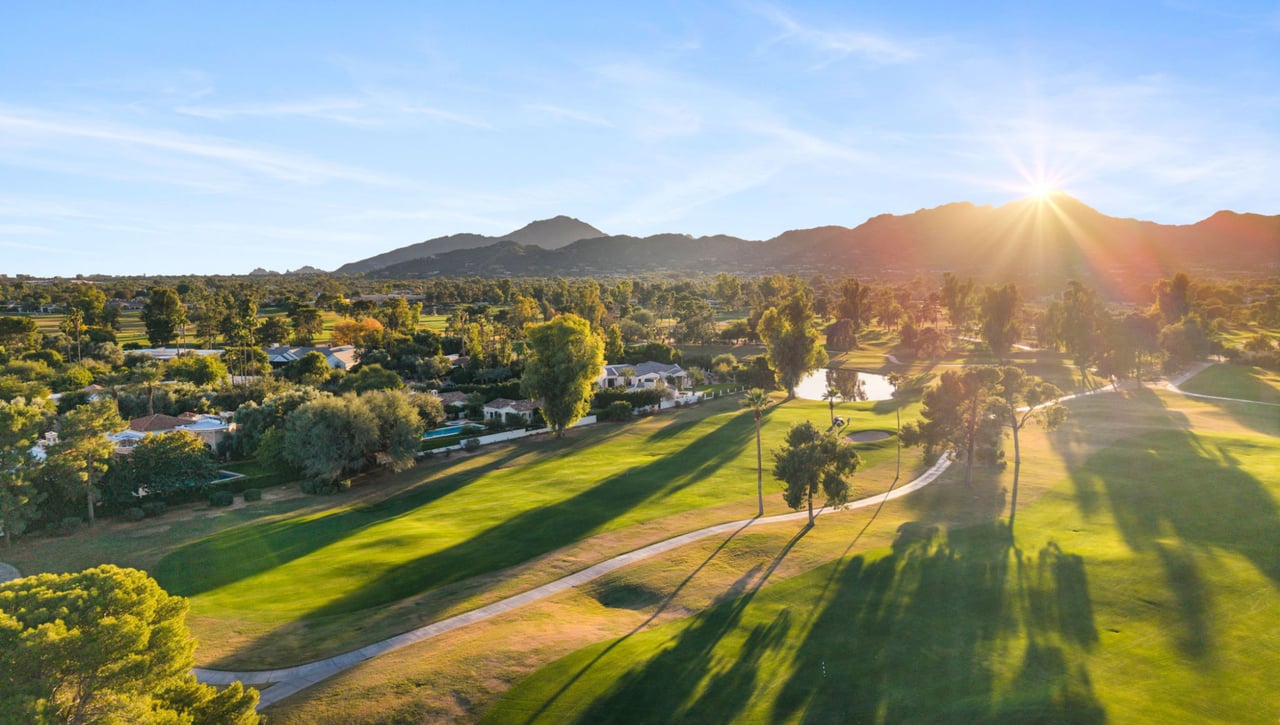
Desert Mountain is a large, gated, member‑owned private club community in the far north Scottsdale area. Its scale is part of the appeal, with roughly 8,300 to 8,800 acres and 30 plus named villages that offer different elevations, views, and home types. The crown jewel is golf variety: six Jack Nicklaus 18‑hole courses plus No. 7, a USGA‑rated par‑54 course, along with the Jim Flick Golf Performance Center and multiple practice areas. That variety gives you choices in layout, turf, and pace throughout the year. You can review the Club’s offerings on the official membership information page.
Beyond golf, Desert Mountain invests in a broad lifestyle. The Sonoran Clubhouse anchors fitness, spa, pools, and racquet sports, and there are more than 25 miles of private trails. Recent capital projects such as clubhouse updates and added pickleball courts are highlighted on the Club’s Platinum Clubs overview. The Club is member‑owned, which shapes how decisions and capital plans are made over time.
Membership paths explained
Membership is central to your experience, so start here before you fall in love with a view. Categories change over time, so always confirm current details with the Club.
Full Golf
Full Golf is the top tier and includes unlimited access to the six Jack Nicklaus courses plus No. 7, all clubhouses, practice facilities, and competitive tee‑time privileges. Availability can be limited depending on capacity and policies. You will find current categories and contact details on the Club’s membership information page.
Seven Golf
Seven Golf, often called the No. 7 membership, focuses on access to the No. 7 par‑54 course and non‑golf amenities. Access to the six Nicklaus courses is more limited and typically follows guest or upgrade rules. Homes in the Seven enclave are often sold with a direct membership path that is not subject to the general Full Golf waitlist, which is attractive if you want a predictable on‑ramp. Learn more about the Seven enclave on the Seven memberships page.
Lifestyle / Social
Lifestyle or social memberships prioritize dining, fitness, spa, social programming, and trails, with limited golf privileges. This can work well for non‑golfers or mixed‑interest households.
How you actually join
- Waitlist. Some categories use a waitlist managed by the Membership team. Timing depends on capacity and policy.
- Real‑estate transfer. Sellers sometimes transfer a membership with a home sale. The buyer still applies and pays the Club’s initiation fee per the Real Estate Transfer Program. This is a common way to secure immediate access. Review transfer rules in the Club’s FAQ packet.
- Buying in Seven. Properties in the Seven enclave are deed‑restricted to require membership and give you a clear path to join, subject to application and approval. See the Seven memberships page for structure.
Rules that shape daily life
Every club has operating rules. These are the ones buyers ask about most:
- Tee‑time windows. Request and booking windows are enforced and affect how you plan play in high season. See the Club’s FAQ packet for examples.
- Guest play limits. Non‑member guests have a cap on the number of rounds per year, with different allowances for family guests. Factor this in if you host often.
- Private carts. Only club‑owned carts are permitted on course. Personal carts are not allowed.
- Food and beverage minimum. The Club maintains an annual F&B minimum, historically cited as $2,500 in the Club FAQ. Include this when budgeting your annual cost.
For governance and transparency context, Desert Mountain Club operates as a member‑owned 501(c)(7). You can view public filings on ProPublica’s nonprofit explorer.
Choosing your village
Desert Mountain is organized into distinct villages, and your fit depends on how you plan to use your home. Explore the official village maps through the Master Association’s Community and Village Maps to understand lot sizes, building envelopes, and proximity.
Village types at a glance
- Lock‑and‑leave convenience. Several villa and condo neighborhoods, including the Seven enclave, emphasize low exterior maintenance and walkable access to dining and golf.
- Elevated custom homes. Upper‑elevation villages such as Apache Peak, Lost Star, Saguaro Forest, and Sunset Canyon offer privacy, dramatic views, and one‑of‑a‑kind lots.
- Fairway‑front options. Lower villages near certain clubhouses put you closer to first tees and dining. Confirm the exact course frontage in listing materials and on village maps.
Examples for golfers and retirees
- Seven enclave. If you value immediate membership, walkable dining, short rounds at No. 7, and a lock‑and‑leave lifestyle, prioritize homes in Seven. Start with the Seven memberships page to understand the membership path.
- Avid Full Golf players. If you want maximum variety and frequent play, consider a home with short drives to multiple clubhouses. Use the Club’s membership information page and the HOA maps to weigh convenience.
- View seekers. If your priority is panoramic sunsets and privacy, focus on upper‑elevation villages, then plan for a short drive to clubhouses as part of your routine.
Rentals, HOA rules, and taxes
Before you bid, confirm the rules and carrying costs that will shape your ownership.
- Short‑term rentals. The Master Association enforces a minimum 30‑day lease across Desert Mountain, effective January 1, 2019. Some villages are even stricter. If you plan to rent while away, review the HOA’s Leasing Restrictions and the specific village CC&Rs.
- Architectural guidelines. CC&Rs and village‑level rules control building envelopes, exterior materials, landscaping, and parking. Download the village PDFs from the Community and Village Maps page.
- Property taxes. Arizona’s effective property‑tax rates are relatively low compared with many states, but multi‑million‑dollar homes still carry meaningful annual taxes. Taxes are based on the county’s assessed values and any district levies. Review the Maricopa County overview and calculators at the Property Tax resources, and always budget using the parcel’s current assessed values.
A quick budgeting example
Use this simple worksheet to frame annual carrying cost. Replace placeholders with your actual figures from the Club and county.
- Club dues: 12 × your monthly dues quoted by the Club.
- Food and beverage minimum: use the current Club policy. The FAQ historically cited $2,500.
- Property taxes: assessed limited value × your current effective rate per county tables. For illustration only, if you model a $2,500,000 home with an assumed 0.6 percent effective rate, property taxes would be about $15,000 per year. Recalculate using the parcel’s assessed values via the county’s Property Tax resources.
- HOA assessments: master and village dues from the HOA disclosures.
- Routine maintenance and reserves: estimate based on home size and age.
Add a 10 to 20 percent contingency for unexpected assessments or capital projects, and confirm the Club’s Schedule of Dues and Fees before finalizing your budget. The Club’s FAQ packet is a good starting point for policy details.
What daily golf feels like
With six Jack Nicklaus courses and No. 7, variety reduces crowding and keeps your routine fresh. Designs range from links‑style to elevation‑intense, and overseeding is staggered so at least some courses remain in play throughout seasonal transitions. Published pace‑of‑play expectations and booking windows help even out demand. If you enjoy structured practice or instruction, the Jim Flick Golf Performance Center and multiple short‑game areas are a major advantage. You can confirm amenities and booking policies on the membership information page. For non‑golf days, the Sonoran Clubhouse, racquet courts, bocce, dog park, and the private trail system offer plenty of choice, with recent upgrades highlighted on the Platinum Clubs overview.
How Desert Mountain compares nearby
North Scottsdale offers several elite private clubs. The key distinction is Desert Mountain’s breadth and membership flexibility.
- Desert Mountain. Multiple courses, several clubhouses, broad amenities, and categories that include Full Golf, Seven, and Lifestyle. See the membership information page.
- Silverleaf. Ultra‑exclusive, single Tom Weiskopf course and a large clubhouse and spa, with a smaller, single‑course culture. Learn more on Golf Scottsdale’s Silverleaf profile.
- Estancia. Invitation‑only private club centered on a single Tom Fazio course with a strong golf focus and privacy. See the Estancia Club.
- Mirabel. Another intimate, single‑course Tom Fazio club with a high level of discretion. Explore the Mirabel Club.
- Desert Highlands. A useful comparator on property‑linked membership models and culture. See the club’s fact sheet.
If you value course variety, tournament‑ready practice, and many ways to engage beyond golf, Desert Mountain stands apart. If you prefer a more intimate, single‑course culture, one of the other clubs may fit you better.
Buyer checklist before you bid
Use this list to stay focused during due diligence.
- Call the Club. Confirm initiation fees, monthly dues, and the current food and beverage minimum. Start with the membership information page.
- Verify the membership path. If a listing says membership is available, confirm the category, whether it transfers with the sale, and any waitlist. Review the Club’s FAQ packet for transfer policies.
- Map your routine. Use the HOA’s Community and Village Maps to gauge distance to your preferred clubhouses and courses.
- Confirm rental rules. If you expect to rent while away, review the Master Association’s Leasing Restrictions and your target village’s CC&Rs.
- Budget total carrying cost. Combine club dues, F&B minimum, HOA assessments, property taxes from the county’s Property Tax resources, and a reserve for maintenance.
- Plan your calls. Speak with the Club Membership office about timing, a local lender about financing logistics for initiation fees, and your CPA about property‑tax and residency considerations.
When you are ready to tour, you will want a short list aligned to your membership needs, preferred clubhouse access, and budget. If you would like a discreet, curated search and guidance on transfer‑eligible listings, connect with David Newcombe for a private consultation.
FAQs
How do Desert Mountain memberships work for homebuyers?
- Membership categories include Full Golf, Seven, and Lifestyle, each with different access; you can join via waitlist, real‑estate transfer, or by purchasing in Seven, all subject to Club approval and current policies.
Does buying a Desert Mountain home guarantee Full Golf access?
- Not always; some sales include a transferable membership, others require the waitlist, while Seven properties provide a defined path, so verify the category and transfer status with the Club before you bid.
What are guest golf limits at Desert Mountain?
- The Club caps the number of rounds for non‑member guests each year and uses different allowances for family guests, so review the current rules in the Club’s FAQ before planning frequent hosting.
Are private golf carts allowed in Desert Mountain?
- No, only club‑owned carts are permitted on course, which is important if you are used to bringing or customizing your own cart.
What are Desert Mountain’s short‑term rental rules?
- The Master Association enforces a minimum 30‑day lease, with some villages applying stricter minimums, so confirm rules before assuming rental income from nightly or weekly stays.
How does Desert Mountain compare to Silverleaf or Estancia?
- Desert Mountain offers multiple courses and broad amenities, while Silverleaf and Estancia are smaller, single‑course private clubs that emphasize intimacy and exclusivity; match the culture to your priorities.